
Gaming



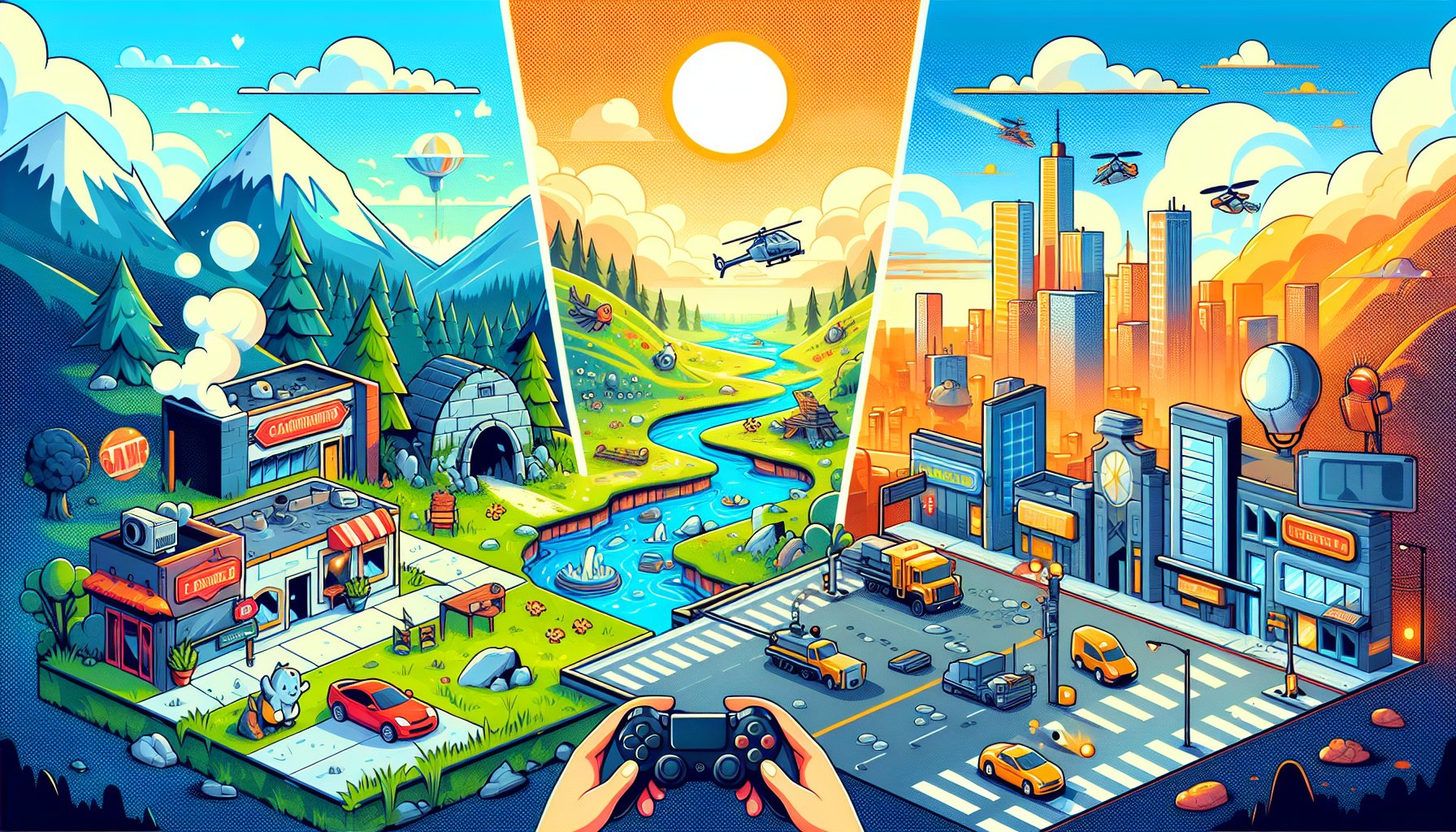
In today's world, games have become an integral part of our lives. They serve not only as a means of entertainment but also as a powerful tool for education, social integration, and even psychotherapy. Since their inception, video games have come a long way, evolving from simple 8-bit arcade games to complex multiplayer online worlds that can host millions of players. One of the key features of games is their ability to bring people together. Multiplayer projects like Fortnite, World of Warcraft, or Valorant create communities where players share experiences, strategies, and emotions. These games foster new forms of communication and interaction, overcoming geographical and cultural barriers. Virtual worlds become platforms for friendship, collaboration, and even competition, which in turn contributes to the development of social skills. However, games do more than entertain; they also educate. Educational games and simulators are used in schools and universities to convey knowledge in an interactive manner. They help students grasp complex concepts such as physics, mathematics, or history, making the learning process more engaging and accessible. Games can also enhance critical thinking, strategic planning, and teamwork. Despite all the benefits, there are negative aspects as well. Excessive gaming can lead to addiction, social skill issues, and even physical health problems. It is important to maintain balance and a mindful approach to gaming time to avoid negative consequences. In conclusion, games are not just entertainment; they are a complex phenomenon that intertwines technology, art, and psychology. They offer unique opportunities for learning and communication but require responsible engagement. In a world where the boundaries between the real and virtual are becoming increasingly blurred, games continue to be an essential part of our culture and lives.

Games are a great way to unwind after work! I especially love diving into RPGs.
John

Yes, but sometimes gamers forget about social interactions. It's better to play together with friends!
Lisa

I agree, but I think it's important not to forget about balance. We should also dedicate time to other hobbies!
Sarah

The gaming industry is rapidly evolving. I can't wait for the release of new projects!
Mike